
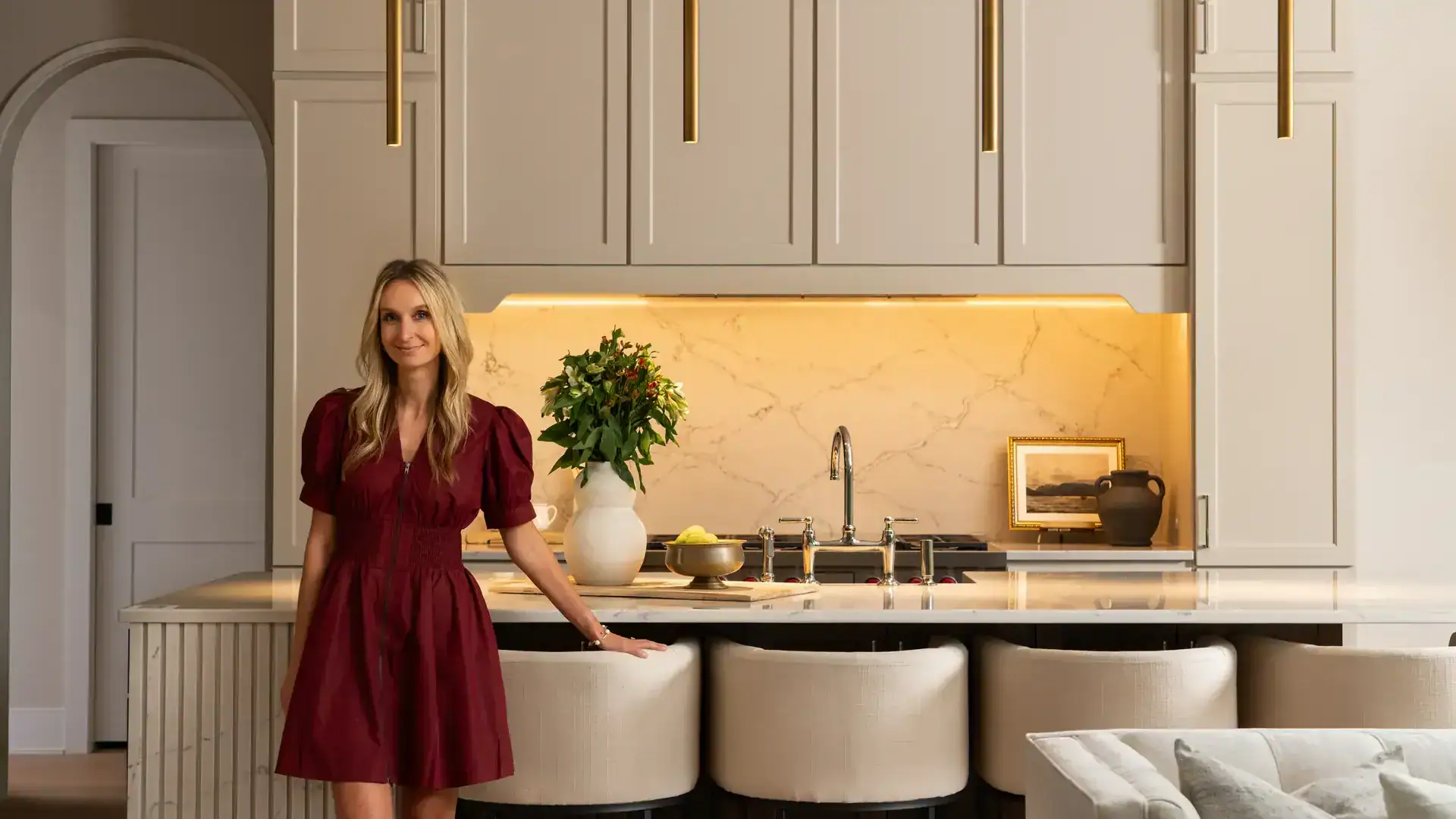
If you’ve ever walked into a beautifully designed home and thought, “This looks amazing, but it’s not for me,” you’ve already experienced the problem that neutral home staging solves.
One of the most misunderstood ideas in home staging and interior designing is the role of neutrality. Many sellers believe that bold design choices make a home more memorable and therefore more marketable.
The data and buyer behavior tell a different story.
Neutral staging is not about making a home look plain. It is about making a home sell.
The Core Problem: Buyers See What Is, Not What Could Be
When a home is heavily personalized, buyers struggle to look past what they see.
Instead of imagining their future, they focus on the present:
- The bold wall color
- The specific design style
- The furniture layout that does not match their lifestyle
This creates friction in the buying process.
As seen in your provided material, homes with strong, taste-specific design can actually stay on the market longer because buyers connect with the design instead of the space itself.
That distinction is critical.
A buyer should be evaluating the home. Not the homeowner’s style.

Why Neutral Design Expands Buyer Appeal
Neutral staging works because it removes limitations.
Instead of targeting a specific taste, it opens the door to a broader audience. The same space can feel:
- Calm and minimal to one buyer
- Warm and inviting to another
- Modern and clean to someone else
This flexibility is what drives demand.
In a competitive market, the homes that appeal to the most buyers are the ones that generate the most interest, the most showings, and ultimately the strongest offers.
The Psychology of Color in Home Staging
Color is not just a visual choice. It is a psychological trigger.
Every color creates a response:
- Red can feel intense or overwhelming
- Yellow can feel energetic or distracting
- Dark tones can feel heavy or restrictive
Neutral tones behave differently.
They create what can be described as an emotional baseline. They do not impose a feeling. They allow the buyer to create their own.
As explained in your transcript, this is exactly the goal. When buyers are not pushed into a specific emotional response, they are free to imagine the home in a way that fits their own life.
That freedom increases connection.
And connection drives decisions.

From Logical Evaluation to Emotional Connection
There is a clear shift that happens when a home is staged correctly.
In an unstaged or overly personalized home, buyers think logically:
- Does this layout work
- Are there any issues
- Does it meet my needs
But in a staged, neutral space, the experience changes.
Buyers begin to imagine:
- Hosting family gatherings
- Relaxing in the living room
- Living their daily routines in the space
This transition from logic to emotion is where sales happen.
Buyers rarely purchase based on facts alone. They purchase based on how a home makes them feel, then justify it with logic afterward.
Why Neutral Does Not Mean “Flat”
One of the biggest misconceptions is that neutral design lacks depth.
In reality, neutral staging requires more precision, not less.
Without bold colors to rely on, designers must create interest through:
- Texture layering
- Material contrast
- Subtle tonal variation
- Lighting balance
For example:
A neutral living room might include a linen sofa, textured pillows, a soft throw, and natural wood elements. Each piece adds dimension without overwhelming the space.
This creates warmth without distraction.
The result is a home that feels complete, elevated, and inviting while still remaining adaptable to different buyer preferences.

The Cost of Getting It Wrong
Choosing a highly specific design style can be expensive in ways sellers often overlook.
When buyers cannot connect with a space:
- Showings decrease
- Time on market increases
- Price reductions become more likely
Your provided data shows that nearly 40% of listings experience price reductions in competitive markets when presentation is not aligned with buyer expectations.
This is not just about aesthetics. It is about financial outcome.
A design choice that limits buyer appeal can directly reduce the final sale price.
Neutral Staging and Online Performance
Today, most buyers first experience a home online.
This makes visual presentation more important than ever.
Neutral staging performs better in listing photos because it:
- Looks clean and cohesive
- Highlights space and layout
- Appeals instantly to a wide audience
Homes that photograph well generate more clicks. More clicks lead to more showings. More showings create competition.
And competition drives price.
How Neutral Staging Supports Interior Designing
Neutral staging does not replace interior designing. It refines it for the purpose of selling.
A well-designed home already has:
- Strong layout
- Good lighting
- Functional flow
Neutral staging enhances these elements by making them more visible and universally appealing.

The Strategic Advantage in Competitive Markets
In markets where buyers have more options, presentation becomes a deciding factor.
Homes that feel:
- Move-in ready
- Visually appealing
- Easy to understand
consistently outperform those that require imagination or compromise.
Neutral staging removes uncertainty. It presents a clear, polished version of the home that buyers can immediately connect with.
The Real ROI of Neutral Home Staging
Neutral staging is not just a design preference. It is a measurable investment strategy.
From your data:
- Staging increases buyer engagement
- It reduces time on market
- It improves final sale price outcomes
Combined with broader industry insights, the return can be significant, often far exceeding the initial staging cost.
The reason is simple.
Neutral staging maximizes demand.
And demand is what drives value.

Why Buyers Need Space to Imagine
One of the most important roles of staging is to leave room for imagination.
If a space is too defined, buyers cannot see themselves in it.
If it is too empty, they cannot understand it.
Neutral staging strikes the balance.
It provides enough structure to guide the buyer while leaving enough openness for them to personalize the vision.
This is what turns interest into emotional attachment.
The Linden Creek Approach
At Linden Creek, the goal is not just to design a space that looks good.
It is to create a space that performs.
That means:
- Understanding buyer psychology
- Using neutral palettes strategically
- Layering texture and warmth intentionally
- Designing for both in-person experience and online presentation
Every decision is made with one objective in mind: maximizing the home’s market potential.
Leave a Reply