
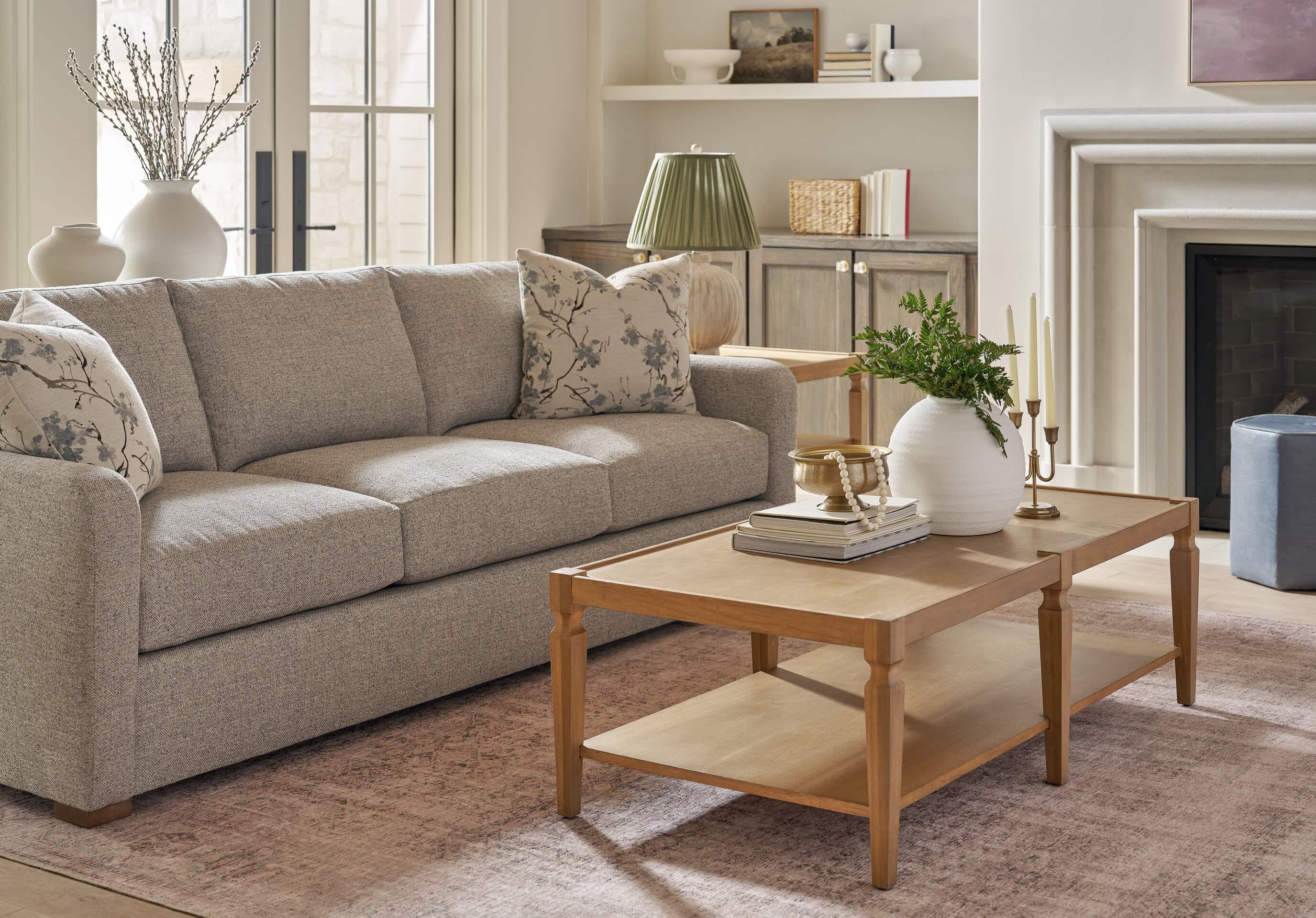
When most homeowners hear the words interior design, they immediately think of expensive renovations, months of construction, and large investments. But for Raleigh home sellers, interior design serves a very different purpose.
If you’re preparing to sell or remodel the goal isn’t personalization. It’s market positioning.
Today’s competitive Triangle real estate market requires homes to make an immediate emotional impact on buyers. Strategic design and home staging help sellers maximize value without tearing down walls or starting costly renovations.
Let’s explore how interior design for sellers works differently and why more Raleigh homeowners are choosing design-driven staging instead of remodeling.
Design for Selling vs. Design for Living
Traditional interior design focuses on how you want to live in a space. Selling-focused design focuses on how buyers perceive value.
That distinction changes everything.
Instead of customizing a home to personal taste, staging and design prioritize broad buyer appeal, emotional connection within seconds, visual flow through listing photos and market-driven style decisions
According to research on the psychology behind successful staging, strategic design influences how buyers interpret space, value, and lifestyle potential often before they consciously evaluate price or features. Learn more about the science behind it in The Psychology of Home Staging
This is why interior design for sellers is less about decoration and more about buyer psychology.

Why Raleigh Sellers Should Avoid Renovating Before Listing
Many homeowners assume renovations increase the sale price. Sometimes they do but often they delay listings and reduce ROI.
Common renovation mistakes sellers make include over-personalizing finishes, pending months off-market, over-improving for neighborhood comps and investing in upgrades buyers may change anyway.
Instead of renovations, modern sellers are choosing design optimization enhancing what already exists.
Professional staging showcases a home’s strengths while minimizing distractions, helping buyers envision themselves living there immediately.
You can see examples of how strategic styling transforms listings without renovations inside the Linden Creek project gallery.
What Raleigh Buyers Actually Want to See
Local buyer expectations evolve constantly. Publications covering Raleigh design trends highlight how clean palettes, cohesive styling, and modern minimalism are shaping buyer preferences today. (See emerging regional trends)
Successful listing design typically focuses on:
- Neutral but elevated color palettes
- Updated furniture scale
- Clear room purpose
- Light and openness
- Lifestyle storytelling
These elements help listings photograph better, attract stronger online engagement, and generate more showing activity.

The Real Value of Seller-Focused Interior Design
Design for sellers delivers measurable advantages:
1. Faster Buyer Connection
Buyers form impressions within seconds of entering a home.
2. Stronger Listing Photography
Online appeal drives showing requests.
3. Higher Perceived Value
Well-designed homes feel move-in ready reducing negotiation pressure.
4. Reduced Days on Market
Homes that photograph and show well often attract quicker offers.
This approach aligns with leadership-driven staging strategies focused on execution, consistency, and market positioning rather than decoration alone.
Why Pricing Transparency Matters to Sellers
One concern sellers frequently have is understanding staging costs versus return.
Clear pricing structures help homeowners evaluate staging as an investment rather than an expense. If you’re comparing options, this home staging pricing guide explains how services are typically structured and what influences cost.
When sellers understand the value drivers inventory, logistics, design expertise, and market knowledge pricing becomes easier to justify.

Do You Actually Need an Interior Designer to Sell?
Not always but you do need design expertise aligned with real estate goals.
There’s an important distinction between hiring a traditional designer and working with a staging-focused design team. This guide explains when professional design support makes sense for homeowners preparing to sell.
For listings, success comes from understanding buyers, not personal style preferences.
Why Design-Driven Staging Is Growing Across Markets
The shift toward strategic staging isn’t limited to Raleigh. Industry publications continue highlighting growth in luxury staging and design-led real estate services nationwide, including coverage of Linden Creek’s expansion and franchise growth.
This growth reflects a broader realization: design is no longer optional in competitive housing markets.
The Advantage of Working With a Local Staging Partner
Raleigh sellers benefit most from teams that understand:
- Local buyer expectations
- Neighborhood pricing tiers
- Realtor workflows
- Market seasonality
You can explore current service areas and markets supported by Linden Creek here Locations.
Localized expertise ensures staging decisions align with what buyers in the Triangle region actually respond to.

A New Path for Design-Minded Entrepreneurs
Interestingly, the rise in seller-focused staging has also created opportunities for creatives seeking scalable business ownership. Many designers are exploring structured business models that combine creativity with operational systems, such as the Linden Creek franchise opportunity.
This model reflects how staging is evolving from a freelance service into a professionalized industry.
Final Thoughts: Sell Smarter, Not Bigger
For Raleigh home sellers, interior design doesn’t have to mean renovation.
The most effective strategy today is design with intention enhancing presentation, appealing to buyers emotionally, and positioning your home competitively without major construction.
When design aligns with real estate strategy, seller’s gain better first impressions, stronger marketing performance, increased buyer confidence and more efficient sales timelines. In today’s market, success isn’t about redesigning your home for yourself, it’s about designing it for the next owner.
Leave a Reply