
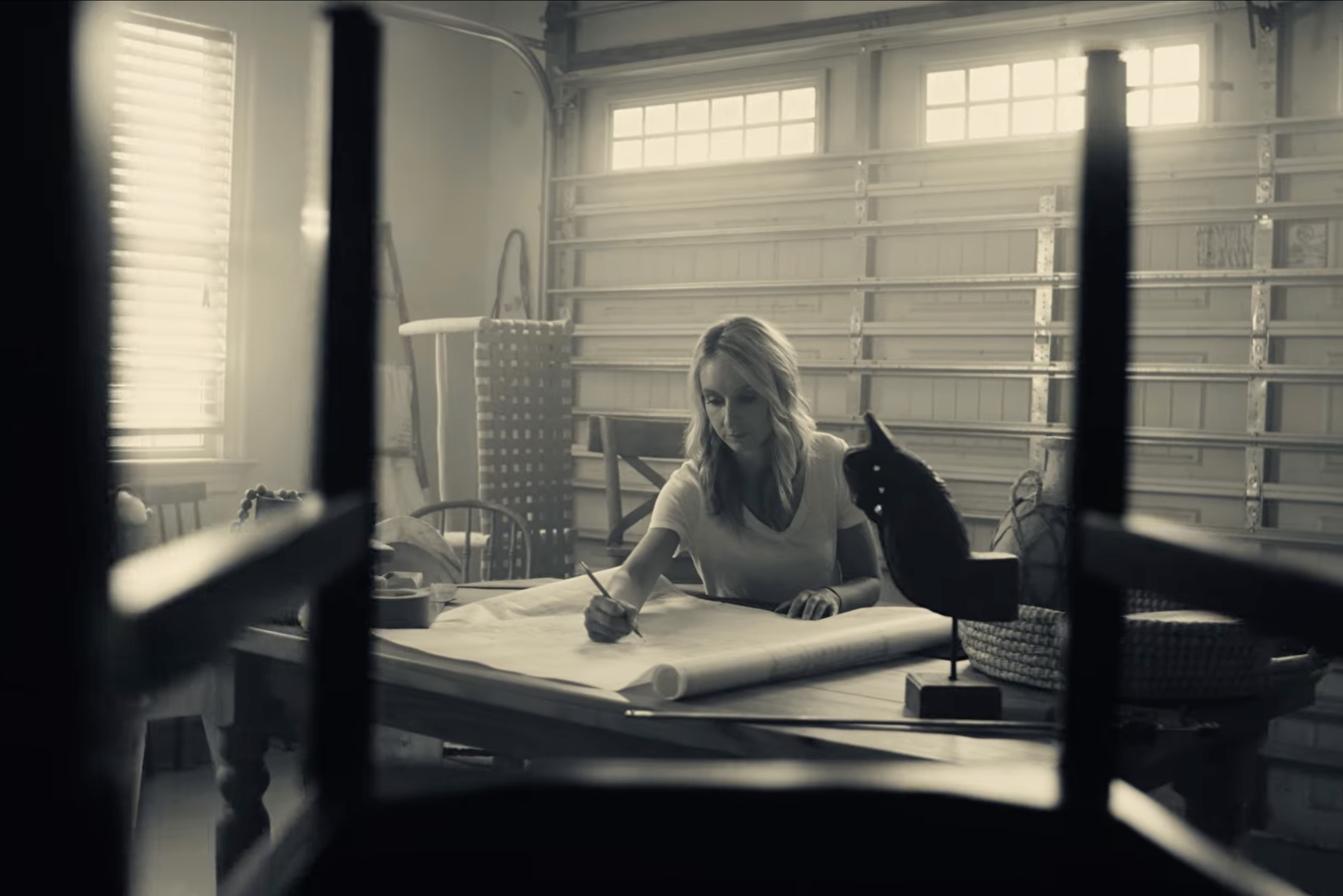
Let’s start with something that might surprise you: hiring an interior designer isn’t always necessary.
Yes, even as design professionals, we’ll say it openly. Not every project requires expert involvement. With endless inspiration on Pinterest, AI-powered design tools, and access to online furniture retailers, many homeowners feel confident tackling their spaces themselves.
But here’s the reality: while designing a space may look simple on the surface, creating a cohesive, functional, and lasting environment is far more complex than most people realize. The difference between a space that “looks okay” and one that truly works for your lifestyle often comes down to experience, systems, and intentional design thinking.
This is where working with professionals like Linden Creek can transform not just the final outcome, but the entire process.
Let’s unpack when hiring a designer makes sense and when it might not.
Check out the video:
What an Interior Designer Actually Does (It’s More Than Choosing Furniture)
One of the biggest misconceptions about interior designers is that their job is simply selecting furniture and making things look pretty.
In reality, their role is much deeper.
A designer’s job is to solve functional problems within your space, ensure every element works cohesively together, anticipate needs you haven’t thought of yet, prevent costly mistakes, streamline hundreds of micro-decisions and save you time, stress, and long-term expenses. Design is not just about aesthetics. It’s about how your home supports your life.
For example, even something as simple as selecting tile involves multiple layers of decisions:
Floor tile vs. wall tile vs. shower tile
Tile size and orientation
Grout color
Layout pattern
Edge finishes and transitions
Without guidance, decision fatigue becomes very real and costly.
Professionals rely on proven frameworks and design psychology, similar to the principles explained in this guide on the psychology of home staging, where every design choice influences how a space is perceived, experienced, and valued.
The Hidden Cost of Doing It Yourself: A Real-Life Story
One of the most common scenarios designers encounter involves homeowners who initially decide to design their space themselves only to realize later that something feels “off.”
One homeowner, after successfully selling their staged property, moved into their forever home and chose to design it independently. Excited and inspired, they purchased a bold, pink floral sofa, an investment piece they absolutely loved in the showroom.
But once it arrived at home, the reality was different.
The sofa didn’t complement anything else in the house.
The scale was wrong.
The color clashed.
The room felt disjointed.
What seemed like a confident purchase quickly became an expensive mistake.
Eventually, they brought in professional help not to replace the sofa, but to redesign the space around it in a way that created harmony and balance.
This is one of the most valuable roles a designer plays: preventing costly missteps before they happen.
Looking through a professionally curated design portfolio makes this difference clear. Every room reflects intentionality not random selections.

When Hiring a Designer Makes the Most Sense
While designers aren’t necessary for every project, there are specific situations where their expertise becomes invaluable.
1. Major Renovations or New Builds
When you’re making permanent decisions flooring, cabinetry, layouts, lighting mistakes are expensive and difficult to reverse.
Designers help ensure every decision aligns with your long-term vision.
2. When Cohesion Matters Across Multiple Rooms
Homes should tell a consistent visual story.
Professionals ensure continuity in:
- Color palettes
- Material choices
- Furniture scale
- Spatial flow
These principles are rooted in deeper methodologies like design psychology frameworks, which focus on creating environments that feel natural, balanced, and emotionally comfortable.
3. When Time Is Limited
Designing a home requires:
- Vendor coordination
- Delivery tracking
- Measurements
- Layout planning
- Troubleshooting
For busy homeowners, outsourcing this responsibility eliminates months of stress.
4. When Budget Efficiency Matters
Contrary to popular belief, hiring a designer often saves money.
Avoiding just one major mistake like purchasing incorrect furniture, finishes, or layouts can offset design fees entirely.

When You Might Not Need a Designer
Honesty matters here: sometimes, hiring a designer isn’t necessary.
You may not need one if:
- You enjoy experimenting and learning through trial and error
- Your project is small and low-risk
- You’re comfortable making mistakes and adjusting over time
- You have flexible timelines
Designing your own space can be deeply rewarding.
The key is understanding the trade-offs between autonomy and efficiency.
The Bigger Picture: Why Professional Design Is Growing Rapidly
The growing complexity of modern homes is one reason professional design services are expanding so quickly.
In fact, industry publications like Business Journals and WR News have highlighted how structured, system-driven design firms are expanding nationally to meet increasing demand.
This growth isn’t accidental.
It reflects a shift in how people value their living environments not just as places to live, but as spaces that support their lifestyle, productivity, and well-being.
You can see this expansion reflected in the growing number of professionally served design locations across markets, bringing consistent design quality to more homeowners nationwide.
The Difference Systems and Expertise Make
Professional design isn’t just creative, it’s operational.
Strong systems ensure:
- Clear communication
- Efficient project timelines
- Coordinated installations
- Consistent client experience
These same principles are discussed in this article on business growth killers like poor communication and lack of systems, highlighting how structure directly impacts quality outcomes.
This operational backbone allows designers to deliver results predictably not by chance.

Why Professional Design Models Are Expanding Nationwide
As demand grows, scalable design models are emerging to serve more communities.
Programs like the Linden Creek franchise opportunity allow experienced entrepreneurs to bring structured, system-driven design services to new markets.
According to coverage from Yahoo Finance, this expansion reflects the increasing recognition of professional design as an essential service not a luxury.
This shift mirrors how people increasingly prioritize environments that improve quality of life.
You can also learn more about the philosophy behind this expansion in this article explaining why Linden Creek chose to franchise, which focuses on maintaining consistent standards while scaling access.
The Real Value of Hiring a Designer
Ultimately, hiring a designer isn’t about luxury.
It’s about clarity.
It’s about avoiding decision fatigue, expensive mistakes, wasted time and disjointed results.
And achieving cohesive, intentional spaces, functional environments tailored to your life, long-term confidence in your decisions. Designers don’t just decorate homes, they create environments that support how you live.
The Honest Conclusion: It Depends on Your Goals
You don’t always need a designer.
But when the stakes are high financially, emotionally, or functionally the right expertise makes all the difference.
If you love experimentation and discovery, designing your own space can be fulfilling.
If you value efficiency, cohesion, and confidence in your decisions, professional guidance becomes invaluable.
Both paths are valid.
The key is choosing the one that aligns with your priorities, timeline, and vision.
Because at the end of the day, great design isn’t about furniture.
It’s about creating a space that truly works for you.
Leave a Reply