
When buyers step into a home, they’re not just physically walking through it they’re mentally moving in.
Every room, every corner, every detail triggers a silent evaluation:
- Where would my furniture go?
- Does this feel comfortable?
- Can I see my life here?
This internal dialogue happens within minutes and often determines whether a buyer moves forward or walks away.
Understanding how buyers mentally “walk through” a home is one of the most powerful tools in real estate. And when paired with strategic design and staging, it can dramatically influence how quickly and how profitably a home sells.
The First 7 Seconds: Emotional Imprint
The mental walkthrough begins the moment a buyer enters the front door.
Within seconds, they form a first impression based on lighting, layout, smell and cleanliness and overall atmosphere. This initial reaction is emotional, not logical.
Buyers instantly decide whether a home feels welcoming or cold, spacious or cramped and updated or outdated.
This is why design plays such a critical role in shaping perception, as explained in the psychology of home staging, where emotional responses are key drivers in real estate decisions.

Step 1: The Entryway – “Does This Feel Like Home?”
The entryway sets the tone for the entire experience.
Buyers subconsciously ask:
Is this inviting?
Does it reflect the level of the home?
A cluttered or empty entry creates confusion, while a thoughtfully styled one creates confidence.
Even small touches like a console table, soft lighting, or neutral decor help establish a welcoming narrative.
Step 2: The Living Space – “Can I Relax Here?”
As buyers move into the living room, their mental walkthrough shifts toward lifestyle.
They begin imagining watching TV, hosting guests and spending time with family and furniture placement plays a huge role here.
A well-staged living room defines conversation areas, highlights focal points and demonstrates scale and proportion.
You can see how impactful this is in spaces like those featured in the Linden Creek portfolio, where layouts are designed to feel both functional and aspirational.

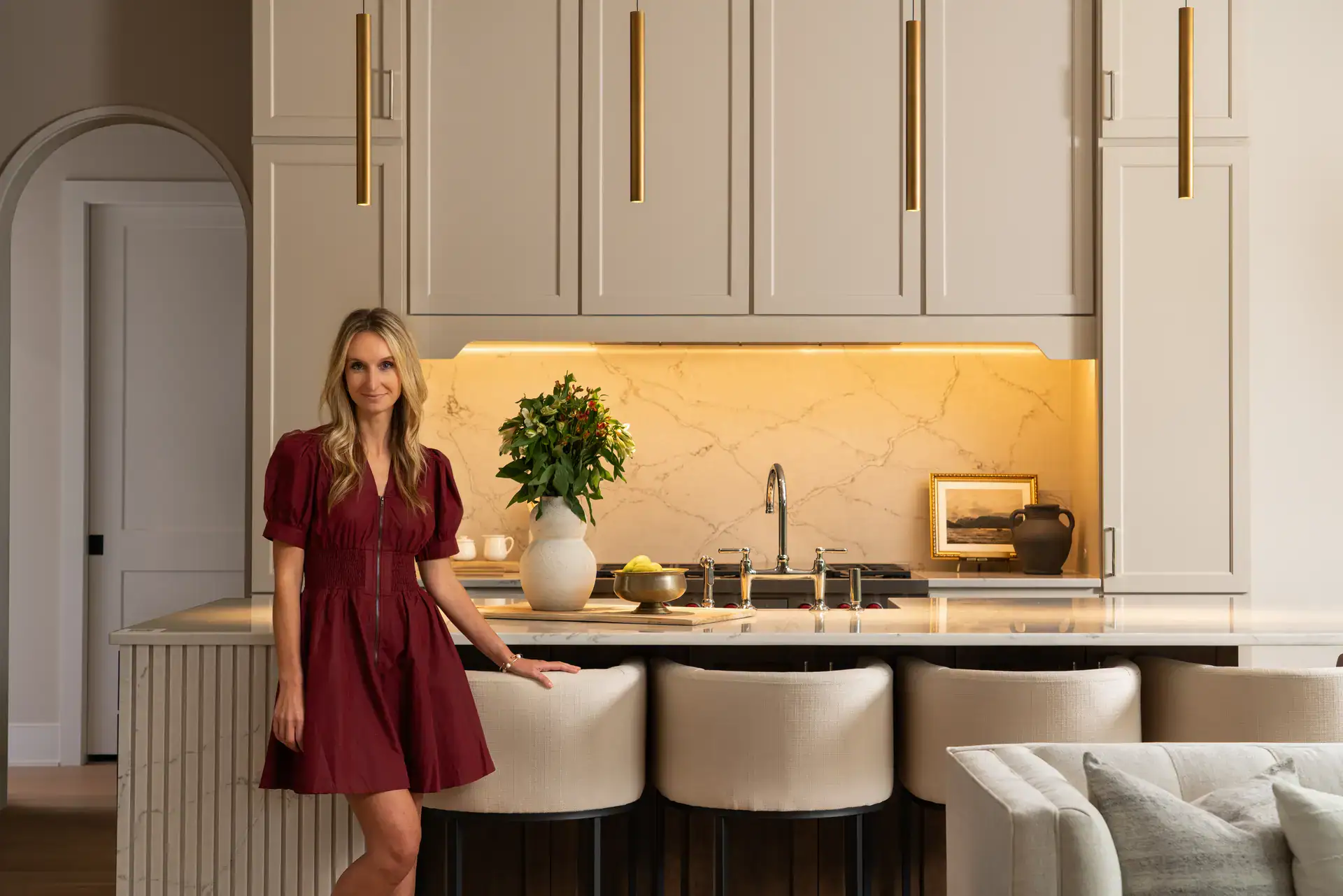
Step 3: The Kitchen – “Does This Work for My Life?”
The kitchen is one of the most important decision-making areas.
Buyers evaluate both emotionally and logically:
- Do I like how this looks?
- Can I cook here comfortably?
- Is there enough storage and space?
A cluttered kitchen can feel chaotic, while a clean, styled one feels efficient and inviting.
Neutral design elements like those highlighted in Raleigh Magazine’s monochromatic design trends help create a cohesive and modern feel that appeals to a wide audience.
Step 4: The Bedrooms – “Can I See Myself Living Here?”
Bedrooms are deeply personal spaces.
Buyers mentally step into their daily routines: Waking up – Getting ready – Winding down at night.
If a room is too personalized or cluttered, it becomes harder for buyers to visualize themselves in it.
This is why neutral staging is so effective it removes distractions and creates a blank canvas for imagination.

Step 5: Bathrooms – “Is This Clean and Maintained?”
Bathrooms trigger a strong logical response.
Buyers look for cleanliness, updated fixtures and signs of maintenance. Even small imperfections can raise concerns.
A well-presented bathroom signals care and attention, reinforcing trust in the overall property.
Step 6: Flow and Transitions – “Does This Make Sense?”
As buyers move from room to room, they’re evaluating flow.
They subconsciously ask:
Does this layout feel natural?
Are spaces connected logically?
Poor flow creates friction in the mental walkthrough.
Strategic staging helps guide movement, ensuring each space feels intentional and connected.
The Role of Neutral Design in Mental Walkthroughs
Neutral interiors play a crucial role in helping buyers mentally move through a home.
They:
reduce visual distractions, enhance light and space and appeal to a broader audience
This aligns with staging strategies used by professionals to maximize buyer engagement and ROI, as outlined in this home staging pricing guide.

Turning Imagination into Emotional Connection
The ultimate goal of staging and design is to turn imagination into emotion.
When buyers can clearly picture:
- Their furniture in the space
- Their routines unfolding naturally
- Their lifestyle fitting seamlessly
They move from “interested” to “emotionally invested.”
This is where homes transition from being listings to becoming must-haves.
Why Professional Staging Makes the Difference
Creating a seamless mental walkthrough isn’t accidental, it’s strategic.
It requires understanding buyer psychology, designing for flow and functionality and creating emotional touchpoints in every room.
This level of expertise is why staging companies highlighted in Franchise Times’ feature on Linden Creek are expanding rapidly.
Their approach, built on strong leadership, vision, and execution, ensures that every home is positioned to succeed in the market.
Recognition from platforms like Local Life TX further highlights the growing importance of staging in real estate.

Do You Need Professional Help?
Many sellers wonder if they can achieve this effect on their own.
While small improvements can help, creating a fully optimized buyer experience often requires professional insight.
If you’re unsure, this guide on do you really need an interior designer can help you determine the right approach.
From Buyer Psychology to Business Opportunity
As awareness of buyer psychology grows, so does the demand for professional staging.
This has created opportunities for entrepreneurs to enter the market through models like the Linden Creek franchise, which combines design expertise with scalable business systems.
You can explore active markets through the locations page or learn more about building your own staging business.
Final Thoughts
When buyers walk through a home, they’re not just evaluating it they’re experiencing it.
Every step they take is part of a mental journey:
From curiosity → To imagination → To emotional connection → To logical decision-making
The homes that sell fastest and for the highest price are the ones that guide buyers through this journey effortlessly.
And that’s exactly what great design and staging are built to do.
Because in the end, buyers don’t just purchase properties they choose the place where their future begins.
Leave a Reply