
When it comes to buying a home, people like to believe they make decisions logically.
They’ll talk about:
- Price per square foot
- Location and neighborhood
- School districts and resale value
But the truth is home buying is deeply emotional.
In reality, buyers feel first and justify later. The most successful home sales happen when emotional connection and logical reasoning align. And the bridge between the two? Strategic design.
Let’s explore how emotional and logical buying works and how design brings them together to drive faster sales and higher offers.
The Emotional Side of Buying a Home
The moment a buyer walks into a home, something happens instantly.
Within seconds, they’re asking themselves:
- “Can I see myself living here?”
- “Does this feel right?”
- “Can I picture my life in this space?”
This is the emotional response and it’s powerful.
A home that feels warm, inviting, and cohesive creates a sense of comfort and belonging. Buyers begin imagining:
- Hosting family gatherings
- Relaxing after a long day
- Creating memories in the space
This emotional connection is exactly what drives decisions, as explained in the psychology of home staging, where design is used intentionally to influence perception and behavior.

The Logical Side of Buying a Home
After the emotional response comes the logical evaluation.
Buyers start analyzing:
- Price vs market value
- Condition of the home
- Layout and functionality
- Potential maintenance costs
This is where deals are justified or rejected.
Even if a buyer loves a home emotionally, they still need logical reasons to move forward. The goal is to ensure that the home feels right and makes sense at the same time.
The Problem: When Emotion and Logic Don’t Align
Many homes fail to sell because they only satisfy one side of the equation.
- A home may be priced well (logical), but feel cold or outdated (emotional disconnect)
- Or it may feel beautiful (emotional), but appear impractical or poorly maintained (logical concern)
When these two elements don’t align, buyers hesitate and hesitation kills deals.

How Design Bridges the Gap
This is where design becomes a powerful tool not just for aesthetics, but for strategy.
1. Design Creates Immediate Emotional Impact
Through elements like:
- Furniture placement
- Lighting
- Color palettes
- Textures and materials
Design shapes how a space feels within seconds.
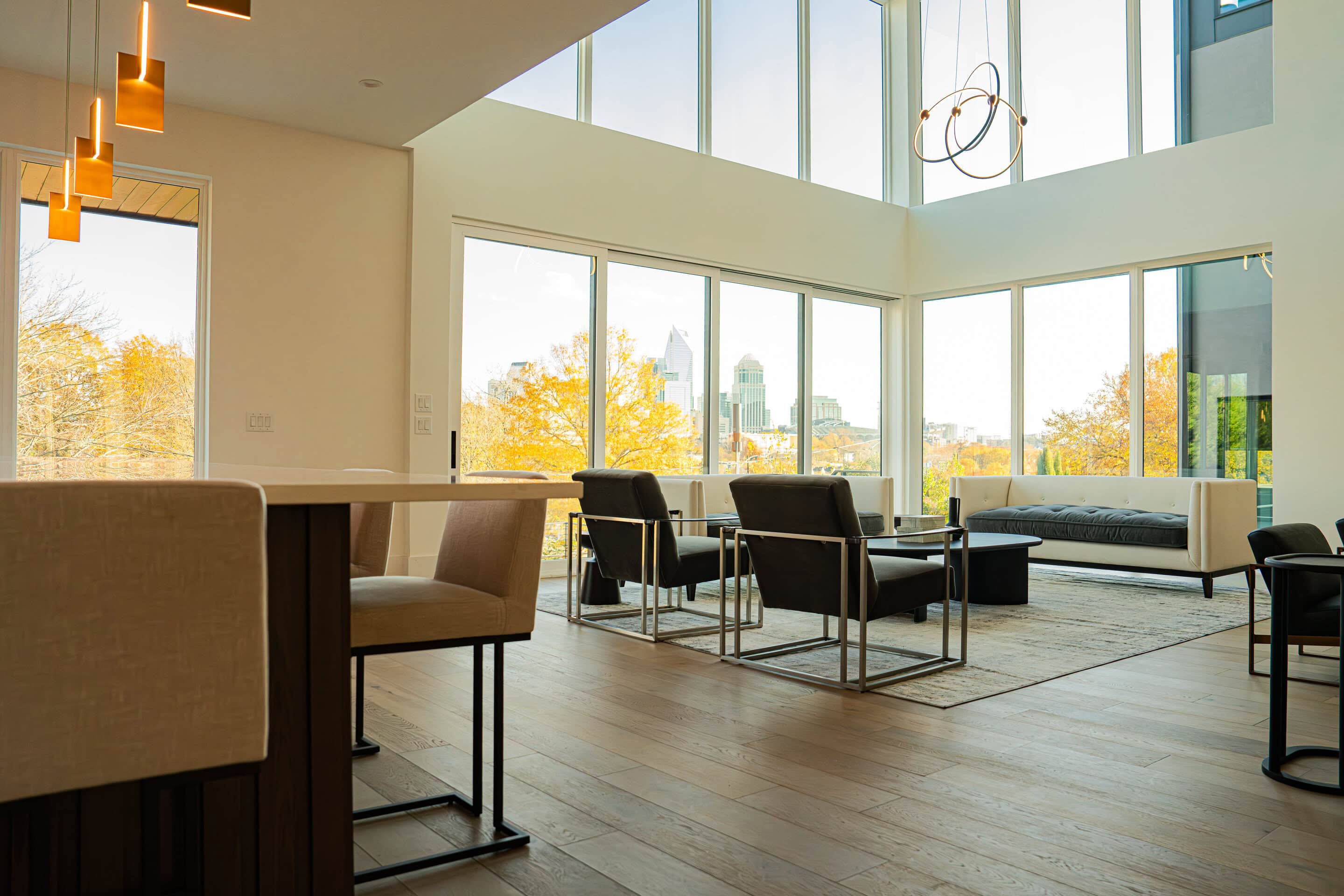
Professionally staged homes, like those seen in the Linden Creek portfolio, are carefully curated to evoke warmth, comfort, and aspiration helping buyers connect emotionally from the moment they walk in.
2. Design Supports Logical Justification
Beyond emotion, design also addresses practical concerns.
For example:
- Proper furniture layout shows functionality
- Neutral palettes suggest move-in readiness
- Clean, cohesive styling signals maintenance and care
These details reassure buyers that the home is not only beautiful but also a smart investment.

3. Neutral Design Appeals to the Masses
One of the most effective ways to bridge emotional and logical buying is through neutral design.
Trends like those explored in Raleigh Magazine’s monochromatic design feature show how layered neutrals create spaces that feel modern, calming, and universally appealing.
Neutral interiors:
- Reduce distractions
- Enhance perceived space
- Allow buyers to visualize their own style
This balance makes it easier for both emotional connection and logical approval to happen simultaneously.
4. Staging Tells a Story Buyers Can Believe In
Staging goes beyond decorating; it creates a narrative.
It answers questions like:
- How is this space used?
- What lifestyle does this home offer?
- How does everything flow together?
By telling a clear story, staging eliminates confusion and builds confidence.
This is why investing in staging often delivers strong returns, as outlined in this home staging pricing guide.

Real Impact: Faster Sales and Higher Offers
When design successfully bridges emotional and logical buying, the results are clear:
- Buyers feel connected → They want the home
- Buyers feel confident → They justify the purchase
- Buyers feel urgency → They make stronger offers
This combination often leads to:
- Faster time on market
- Competitive bidding
- Higher final sale prices
It’s not just design, it’s strategy.
The Role of Professional Expertise
Achieving this balance isn’t accidental.
It requires:
- Understanding buyer psychology
- Knowledge of current design trends
- Strategic execution of layout and styling
That’s why companies featured in Franchise Times’ coverage of Linden Creek are growing rapidly; they’ve mastered the intersection of design and business.
Their approach, rooted in strong leadership, vision, and execution, ensures consistent results across different markets.
Recognition in outlets like Local Life TX further reinforces how impactful this strategy has become.

Do You Need a Designer or a Stager?
If your goal is to sell your home, staging is typically the most effective solution.
If you’re unsure, this guide on do you really need an interior designer can help clarify your next step.
The key is understanding your objective:
- Selling → Focus on buyer appeal
- Living → Focus on personal preference
From Strategy to Opportunity
As more homeowners recognize the power of design in selling, the demand for staging continues to grow.
This has opened doors for entrepreneurs looking to enter the space through scalable models like the Linden Creek franchise.
By combining creativity with proven systems, it’s possible to build a business that directly impacts real estate success.
You can explore existing markets through the locations page or learn more about unlocking your entrepreneurial potential.
Final Thoughts
Buying a home is never purely logical or purely emotional.
It’s a blend of both.
The most successful home sales happen when a property:
- Feels right emotionally
- Makes sense logically
And design is the bridge that connects those two worlds.
When done strategically, design doesn’t just make a home look better it makes it sell better.
Because at the end of the day, buyers don’t just purchase homes, they invest in how those homes make them feel, and how confidently they can say “yes.”
Leave a Reply