
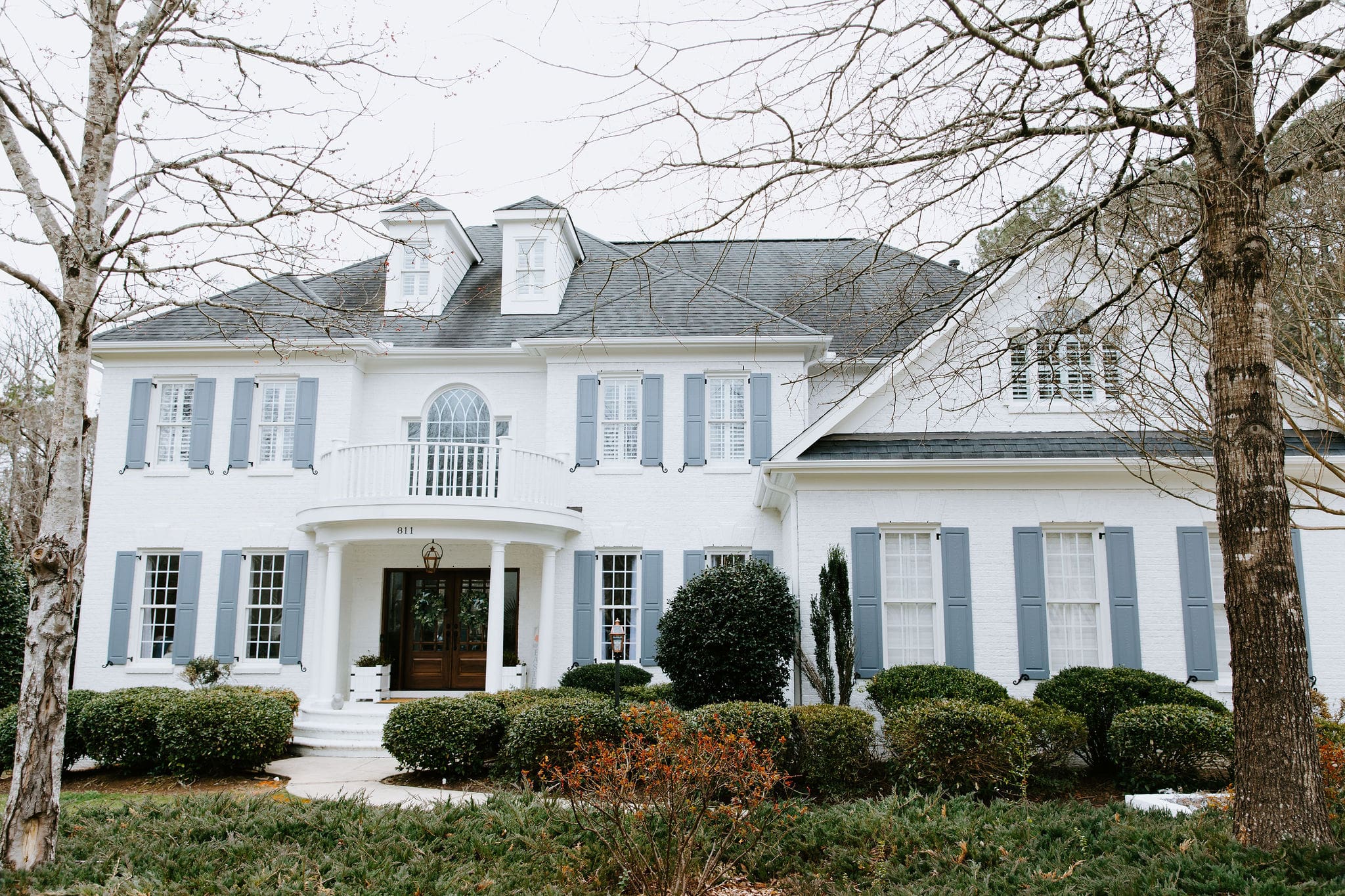
Home staging is often associated with aesthetics: beautiful furniture, coordinated colors, and magazine-worthy rooms. But one of the most powerful (and underestimated) benefits of home staging is how effectively it makes a house feel larger than it actually is.
Buyers don’t measure square footage with tape. They experience space emotionally and visually. Strategic home staging works directly on that perception, helping homes feel more open, functional, and inviting – often without moving a single wall.
Here’s how professional home staging creates the illusion of space and why it plays such a critical role in today’s competitive real estate market.
Why “Feeling Bigger” Matters More Than Square Footage
Most buyers decide how they feel about a home within seconds of entering, or even sooner, when viewing photos online. A home that feels cramped, cluttered, or awkwardly laid out immediately triggers hesitation, even if the actual square footage is adequate.
Staged homes, on the other hand:
- Feel easier to move through
- Appear brighter and more balanced
- Help buyers visualize real-life living
This is why professionally staged homes consistently outperform unstaged listings in both speed and perceived value.

Furniture Scale Changes How Space Is Perceived
One of the biggest mistakes sellers make is using furniture that’s too large, or too small, for a room. Both distort perception.
Professional staging focuses on proper scale and proportion, ensuring furniture fits the room without overwhelming it, negative space is preserved and walkways feel open and intentional.
This approach is central to how professional home staging services are designed, using furniture as a spatial tool, not just decor.
Strategic Layout Improves Flow and Function
Empty rooms don’t always feel bigger. In fact, they often create confusion. Buyers struggle to judge layout, placement, and usability without visual cues.
Staging solves this by:
- Defining clear traffic paths
- Anchoring rooms with purposeful layouts
- Eliminating awkward dead zones
When flow improves, rooms feel more expansive, even if their dimensions haven’t changed.
This is especially noticeable in vacant properties, where thoughtful staging transforms empty square footage into livable, relatable space.

Decluttering Creates Instant Visual Expansion
Clutter shrinks a room faster than almost anything else. Too many objects compete for attention, making walls close in visually.
Effective staging removes distractions by clearing countertops and surfaces, reducing excess furniture and editing accessories to essentials.
The result is visual calm and calm always feels bigger.
This editing-first mindset is a hallmark of brands with refined staging systems, like those operating across Linden Creek locations nationwide, where consistency and restraint are key.
Color and Light Work Together to Open Up Rooms
Light, cohesive color palettes reflect light and push boundaries outward. While bold colors can work in design-forward homes, they often compress space when used incorrectly.
Professional staging uses:
- Soft neutrals for walls and proportionate furnishings
- Tonal layering instead of contrast-heavy palettes
- Strategic lighting to eliminate shadows
Natural and artificial light are treated as design tools, not afterthoughts.
This approach aligns with how modern staging has evolved into a data-informed discipline, as highlighted in this Triangle Business Journal feature on Linden Creek’s expansion.

Mirrors and Sightlines Extend Visual Depth
Mirrors aren’t just decorative, they’re spatial multipliers. When placed correctly, they reflect light into darker areas, extend sightlines and make rooms feel deeper and more open.
Professional stagers use mirrors intentionally, not decoratively, aligning them with windows, focal points, and long views.
Poor placement can actually clutter a room, which is why trained staging professionals approach this detail with precision.
Defined Rooms Feel Larger Than Undefined Ones
A room without a clear purpose feels smaller because buyers don’t know how to use it.
Staging defines purpose by:
- Showing scale through furniture placement
- Assigning function to awkward or transitional spaces
- Eliminating uncertainty
Once buyers understand how a space works, they mentally expand it.
This clarity-driven approach has become more common as staging evolves into a standardized service model, something noted in this WR News article on the launch of Linden Creek’s franchise program.
Online Photos Are Where “Bigger” Is Decided First
Most buyers form their first impression online. If a home doesn’t photograph well, it may never get a showing.
Staged homes photograph better because furniture scale reads correctly on camera, lighting is balanced and rooms feel open and cohesive.
This online advantage directly impacts buyer traffic and competitive interest.
As staging brands expand nationally, their influence on digital-first home marketing continues to grow, something also covered in this Yahoo Finance report on Linden Creek’s national expansion.
Does Home Staging Actually Make Homes Look Bigger?
Yes but not by trickery.
Home staging works because it aligns design, psychology, and buyer behavior. It removes friction, clarifies layout, and enhances visual flow. When those elements work together, buyers experience space more positively.
They don’t think, “This home is small.”
They think, “This feels right.”
And that feeling drives stronger offers.
Final Thoughts
Home staging doesn’t change square footage, but it absolutely changes perception. By using scale, flow, light, and restraint, staging helps homes feel larger, more functional, and more valuable.
In today’s market, where buyers compare listings instantly and emotionally, that perception can make all the difference.
Leave a Reply