
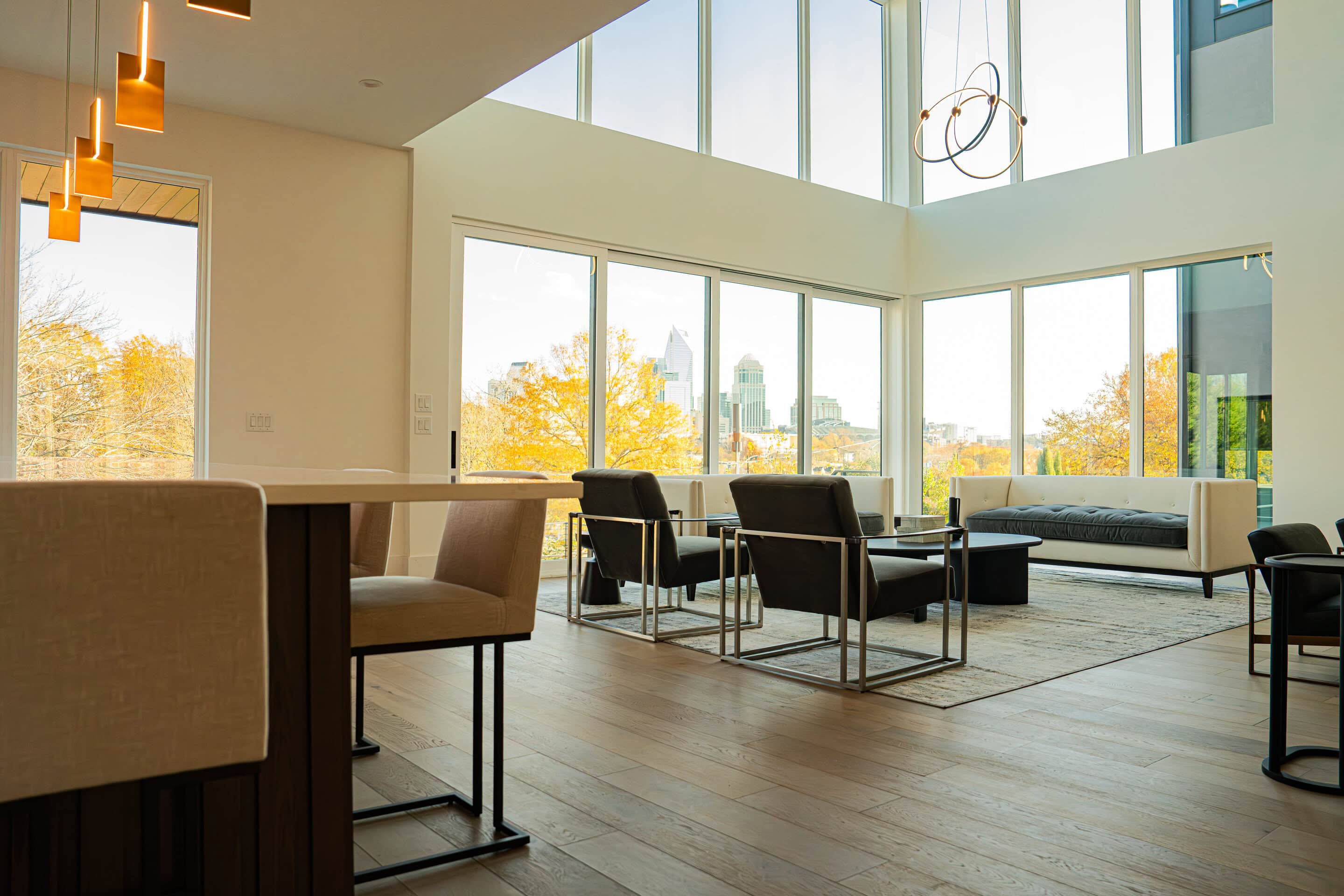
In Raleigh’s competitive real estate market, homeowners preparing to sell often face an important question: Should you invest in interior design or home staging?
While both improve how a home looks, they serve very different purposes. Understanding when to choose staging over design can significantly impact how quickly your home sells and how much buyers are willing to pay.
For many Raleigh sellers, staging isn’t just decoration. It’s a strategic marketing decision rooted in buyer psychology, market positioning, and return on investment.
Staging vs. Interior Design: Understanding the Difference
Interior design focuses on personal living, while home staging focuses on selling.
Interior designers tailor spaces around a homeowner’s lifestyle and preferences. Staging professionals instead prepare homes to appeal to the widest range of buyers possible. If you’re unsure which service aligns with your goals, understanding whether you really need an interior designer can clarify when design makes sense versus when staging delivers stronger resale results.
Key distinction:
- Interior Design: Personalization for living
- Home Staging: Neutralization for marketing and resale
When selling a home, personalization can actually limit buyer imagination which is why staging often becomes the smarter investment.
Why Staging Works: The Psychology Behind Buyer Decisions
Home buyers rarely make decisions based purely on logic. Emotional connection drives purchasing behavior.
Research exploring how strategic design influences real estate success through buyer psychology shows that well-staged spaces help buyers mentally move in before making an offer.
Staging helps buyers:
- Visualize functionality
- Understand room proportions
- Feel emotional comfort
- Perceive higher value
Instead of imagining possibilities, buyers experience them instantly accelerating decision-making.

When Raleigh Homeowners Should Choose Staging
1. When You’re Preparing to Sell Within 3–6 Months
If resale is your priority, staging should almost always come before interior design upgrades.
Rather than permanent renovations, staging uses proven visual strategies demonstrated in professionally styled home staging portfolio transformations that highlight a property’s strongest features without costly remodeling.
2. When Your Home Feels Too Personal
Family photos, bold paint colors, and highly customized décor can distract buyers from seeing the home itself.
Staging creates a neutral yet aspirational environment aligned with trends like Raleigh’s growing monochromatic design movement, which emphasizes cohesive palettes that feel calm, modern, and universally appealing.
3. When Your Listing Needs Strong Marketing Impact
Most buyers encounter homes online before scheduling tours, making first impressions critical.
Strategic staging improves photography, listing engagement, and perceived value. Reviewing a detailed home staging pricing guide helps homeowners understand staging as a marketing investment designed to increase returns.
4. When Your Home Has Been Sitting on the Market
If your listing hasn’t received offers, presentation may be the issue.
Re-staging often refreshes buyer perception, repositioning the home competitively within Raleigh’s fast-moving market.

Why Staging Aligns With Raleigh’s Growing Housing Market
Raleigh continues attracting relocating professionals and growing families seeking move-in-ready homes.
Professional staging meets these expectations by enhancing spatial flow and highlighting lifestyle potential services available across expanding markets showcased through active Linden Creek service locations serving multiple high-growth regions.
The Business Behind Modern Home Staging
Home staging has evolved into a sophisticated real estate marketing discipline supported by scalable business systems.
Industry coverage discussing the growth of luxury home staging franchises highlights how structured processes and training models are expanding staging nationwide.
Community recognition, including features celebrating local impact in Local Love 2026, reflects how staging professionals are becoming essential partners in modern real estate success.
Behind these results are leadership frameworks focused on strategy and execution, explained through Linden Creek’s leadership vision and execution approach.
When Interior Design Does Make Sense Instead
Interior design may be the better choice if:
- You plan to stay long-term
- You want personalized lifestyle upgrades
- Renovation is part of your living goals
- Selling is not immediate
Design enhances living experience staging enhances selling performance.

The Growing Opportunity Behind Home Staging
As demand grows, staging has also become an attractive entrepreneurial path blending creativity with business ownership.
Many professionals begin by exploring home staging franchise opportunities designed for entrepreneurs seeking structured support and scalable growth.
Those interested in deeper details can learn more about the Linden Creek franchise model and ownership pathway, which combines design expertise with proven operational systems.
Final Thoughts: Sell the Experience, Not Just the Home
For Raleigh homeowners preparing to sell, the decision between staging and design comes down to one key question:
Are you designing for yourself or marketing to buyers?
Home staging transforms properties into experiences buyers emotionally connect with. Instead of showcasing how you lived in the home, staging shows buyers how they could live there.
In today’s competitive market, that difference often determines whether a home sits or sells.
Leave a Reply