
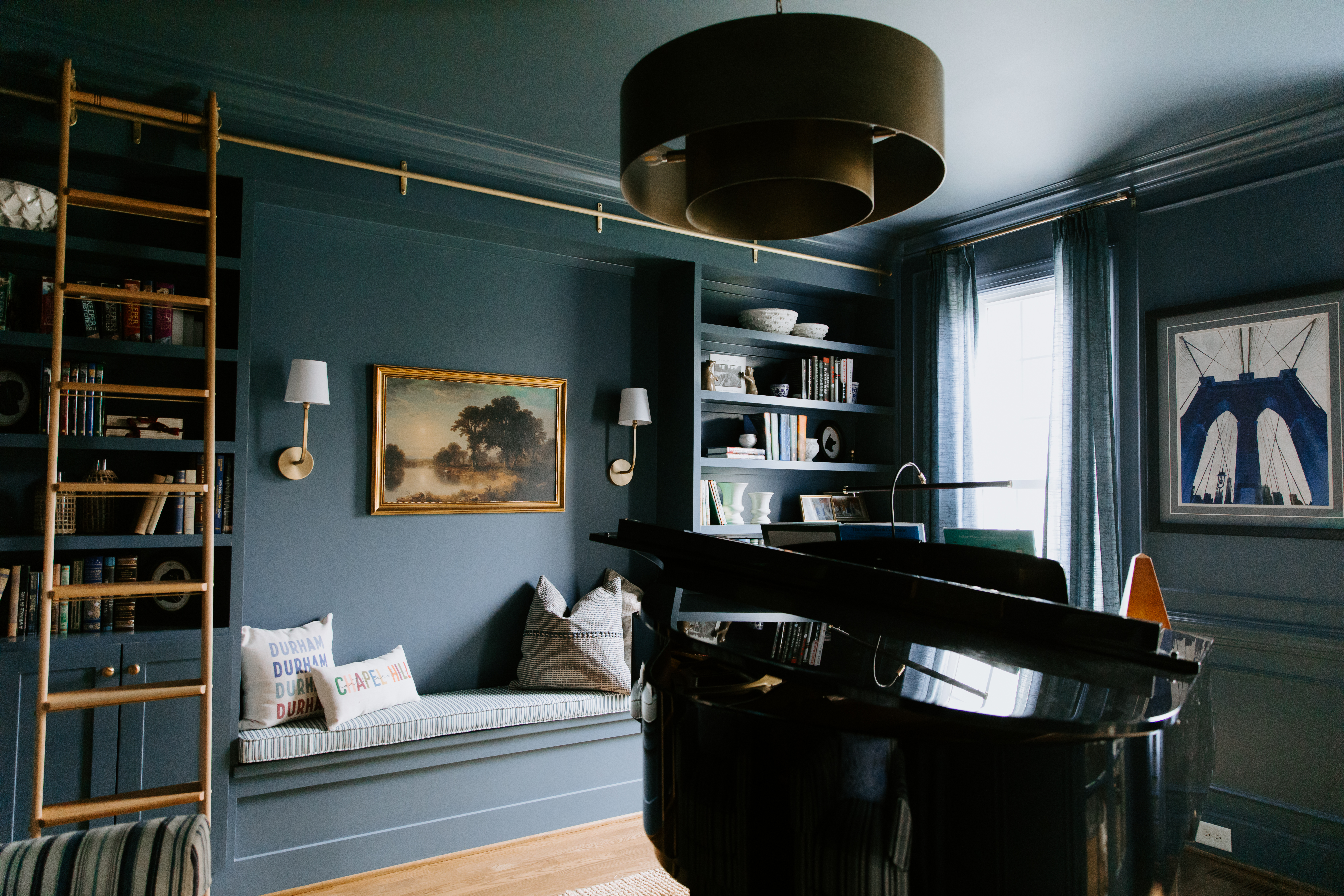
When it comes to maximizing space, the secret isn’t always in square footage—it’s in how you use it. Whether you’re working with an open floor plan or a compact room, layout matters more than most people realize. A few smart changes can completely transform how a home feels, functions, and flows.
Here are four layout swaps we consistently use to make spaces feel larger, lighter, and more livable:
1. Pull Furniture Off the Walls
It sounds counterintuitive, but hugging every piece of furniture to the wall can actually make your space feel smaller. When you float a bed or sofa just a few inches away, it creates breathing room and instantly improves the flow of a room.
That bit of visual space behind the furniture tricks the eye into seeing more depth. It also opens up opportunities to layer in a console, lighting, or subtle styling elements that help the room feel complete—without overwhelming it.
2. Break Up Bulky Furniture
Matching sets might seem like the easy option, but they often add bulk without adding function. Instead of oversized furniture pieces that all sit at the same height or share the same visual weight, aim for contrast.
Think: a low-profile sofa paired with an open-base coffee table, or sleek side chairs styled next to a more substantial dining table. Varying shapes, silhouettes, and materials keeps the room feeling dynamic—and makes it easier for the eye to move through the space.
The goal is to reduce visual clutter, not just physical clutter.
3. Use Rugs to Define Zones
Especially in open floor plans, structure comes from the way you anchor your space. Rugs are one of the easiest, most effective tools to create those boundaries.
Use one under your living room seating area, another in the dining space, and a third to carve out a work zone—each rug helps define its area without the need for physical walls. Just be sure to size up. A rug that’s too small can chop up a space instead of grounding it.
4. Let Light Move Freely
Nothing opens up a space faster than light.
If you have great natural light, don’t block it—lean into it. Avoid heavy window treatments and opt for light-filtering fabrics or leave them bare when possible. Strategically placed mirrors across from windows can amplify that light and add a subtle sense of depth, making the whole room feel bigger and brighter.
Even in darker spaces, thoughtful placement of lamps and reflective surfaces can do a lot of the heavy lifting.
The Takeaway
Your layout has the power to completely change how a room feels—regardless of how much square footage you’re working with. These simple swaps aren’t just design tricks—they’re functional shifts that can enhance daily life.
Because a well-designed home isn’t about having more space. It’s about making the most of the space you have.

Leave a Reply